Coach Resource Portal
Lifestyle Medicine - Biology First

Brain Wellness

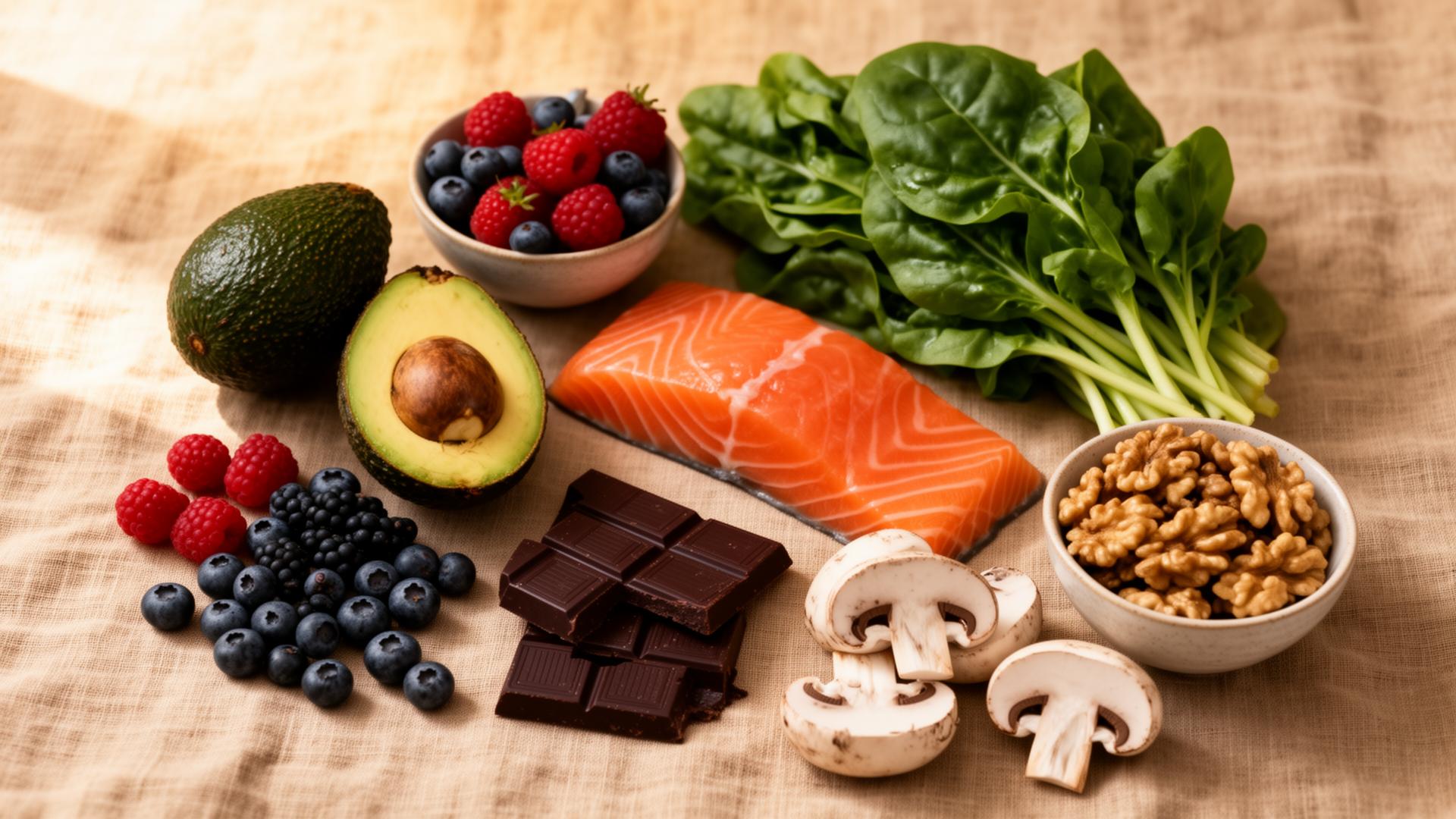
An assortment of brain-healthy whole foods including avocado, berries, leafy greens, salmon, walnuts, dark chocolate, and mushrooms

Diet, physical activity, restorative sleep, and a positive mindset have the potential to alter our brain and mental health function.

We now know that particular nutrients influence cognition by acting on molecular systems and cellular processes vital for maintaining cognitive function. This raises the exciting possibility that dietary manipulation and intervention are a viable strategy for enhancing cognitive abilities, protecting the brain from damage, promoting repair, and counteracting the effects of aging.

Brain Foods

The Effects of Nutrients on Brain Function

Berries

Berries

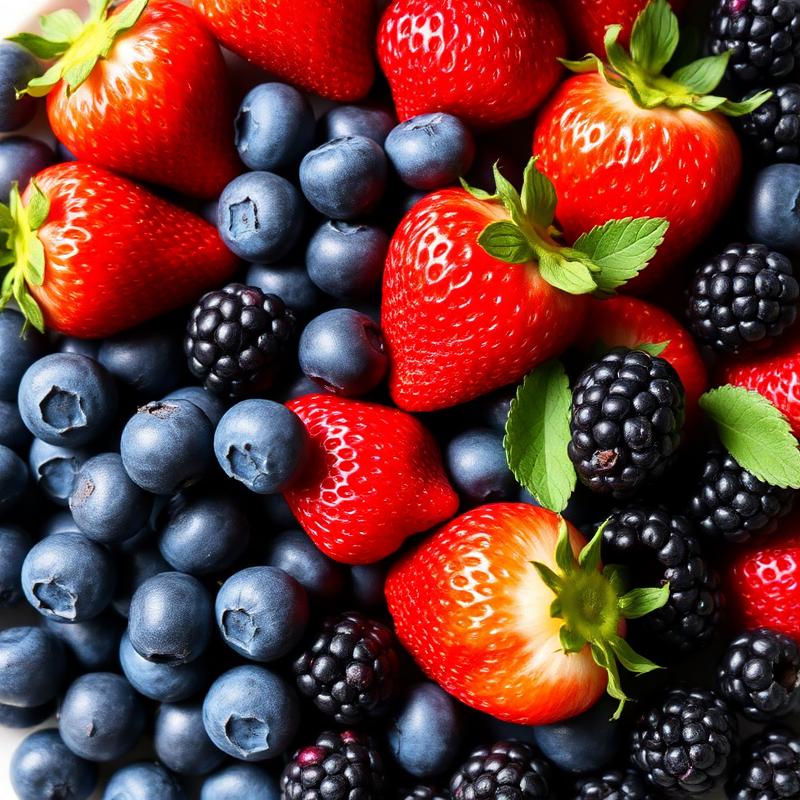
Blueberries, strawberries, blackberries, and gooseberries are rich in antioxidants and bioactive phytochemicals.

Recent clinical trials show a berry-rich diet has beneficial effects on hepatic function, increases insulin sensitivity and HDL cholesterol, and decreases serum glucose and LDL cholesterol.

Recent Research on the Health Benefits of Blueberries and Their Anthocyanins
Coconut

Coconut

Unlike many other fruits that are high in carbs, coconuts provide mostly fat. They also contain protein, several important minerals, and small amounts of B vitamins.

Coconuts are especially high in manganese, essential for bone health and the metabolism of carbohydrates, proteins, and cholesterol. They are also rich in copper and iron, which help form red blood cells, and selenium, an important antioxidant that protects your cells.

Coconut Nutrition Facts and Health Benefits
Gut-Brain Health

Gut-Brain Health

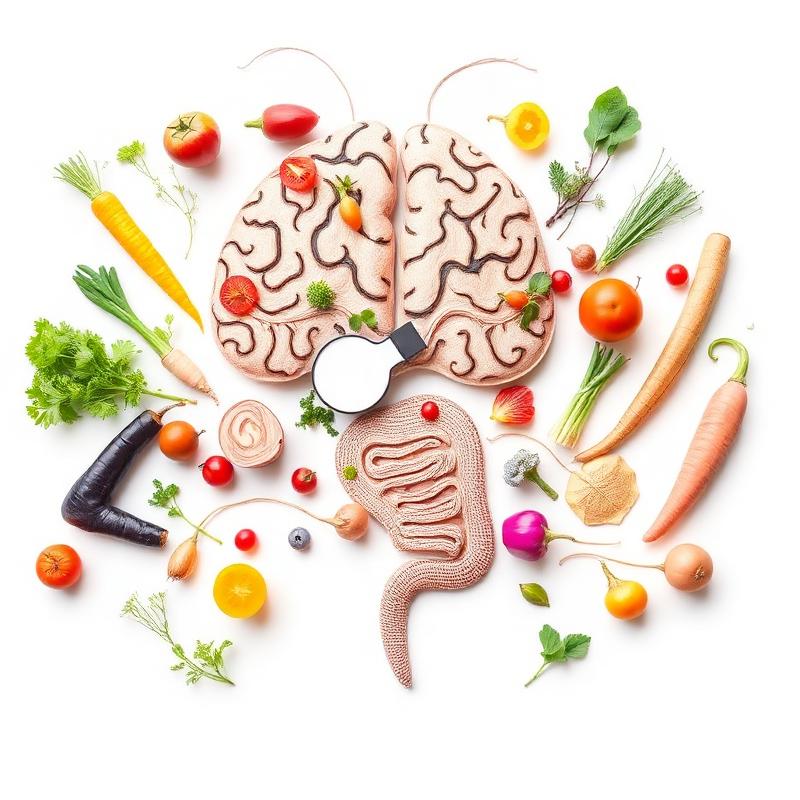
Particular nutrients influence gut-brain health by acting on molecular systems and cellular processes vital for maintaining cognitive function.

This raises the exciting possibility that dietary manipulations are a viable strategy for enhancing cognitive abilities, protecting the brain from damage, promoting repair, and counteracting the effects of aging with food-based therapy.

Brain Foods: The Effects of Nutrients on Brain Function
Leafy Greens

Leafy Greens

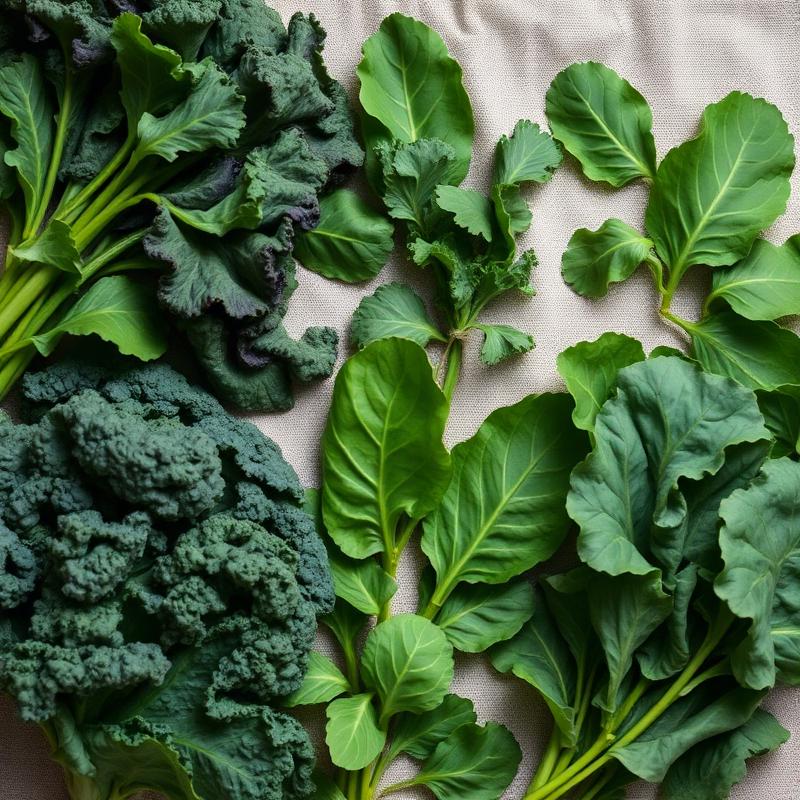
Kale, spinach, collards, and broccoli are rich in brain-healthy nutrients like vitamin K, lutein, folate, and beta carotene. Research suggests these plant-based foods may help slow cognitive decline.

Leafy greens also support a healthy heart — potassium lowers high blood pressure, fiber keeps cholesterol in check, and folate protects against heart disease and stroke.

The 13 Healthiest Leafy Green Vegetables
Seeds

Seeds

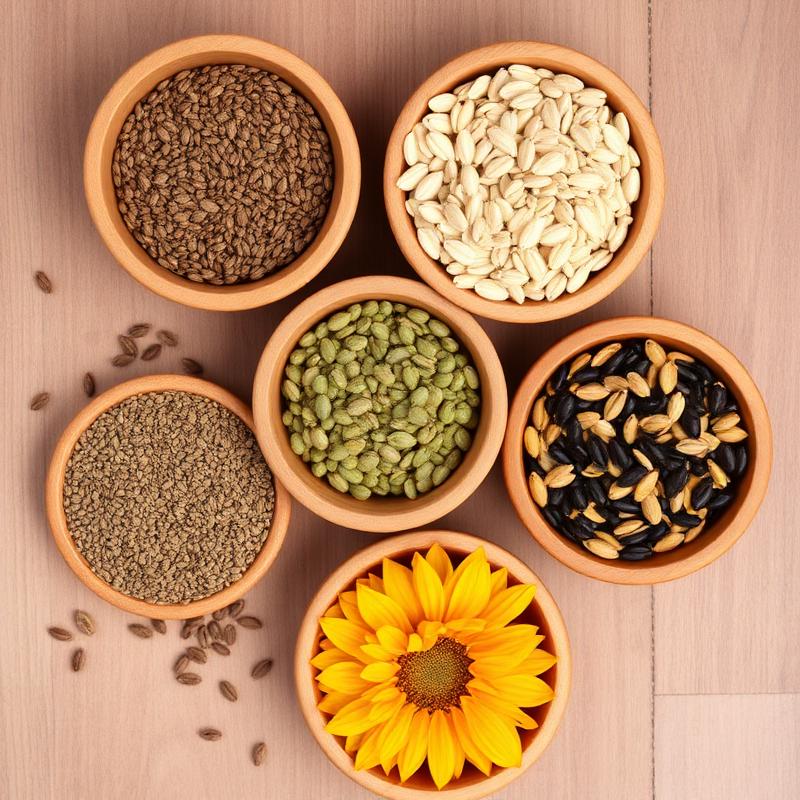
Chia, flax, hemp, pumpkin, sesame, and sunflower seeds contain all the starting materials necessary to develop into complex plants — making them extremely nutritious.

Seeds are great sources of fiber, healthy monounsaturated and polyunsaturated fats, and many important vitamins, minerals, and antioxidants.

6 Super Healthy Seeds You Should Eat
Nuts

Nuts

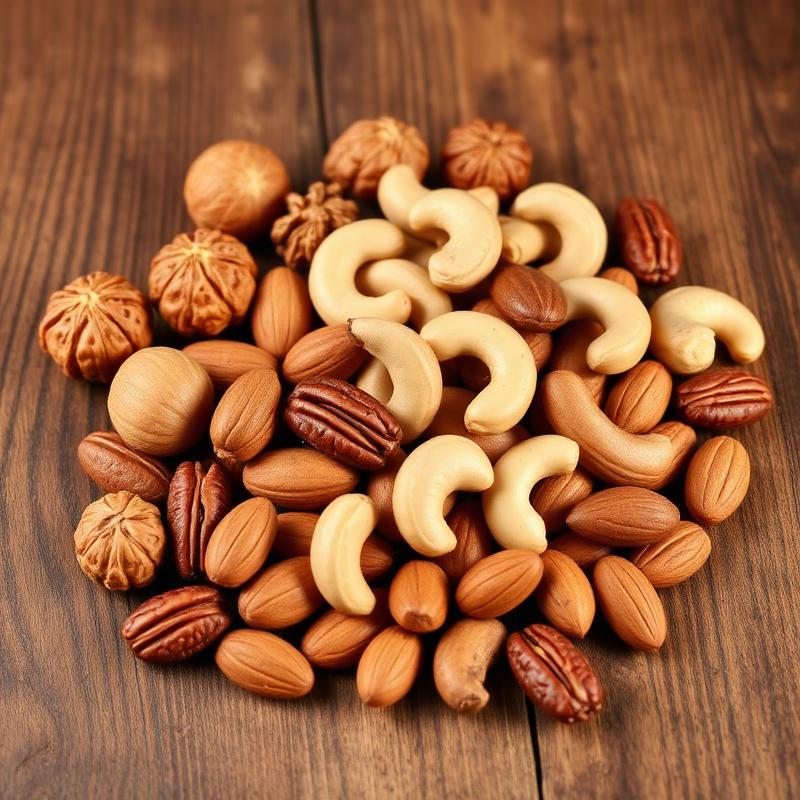
Walnuts, cashews, pecans, and almonds are good sources of healthy monounsaturated and polyunsaturated fats and low in saturated fats. This combination helps reduce LDL ("bad") cholesterol.

Nuts are packed with healthy fats, fiber, protein, and antioxidants. Studies show that eating nuts can help lower cholesterol, blood pressure, and blood sugar. (Avoid peanuts.)

The 10 Healthiest Nuts You Can Eat, According to Nutritionists
Dark Chocolate (Cacao)

Dark Chocolate (Cacao)

Dark chocolate is loaded with nutrients that can positively affect your health. Made from the seed of the cacao tree, it is one of the best sources of antioxidants you can find.

Studies show that dark chocolate can improve your health and lower the risk of heart disease.

7 Proven Health Benefits of Dark Chocolate
Whole Fruits

Whole Fruits

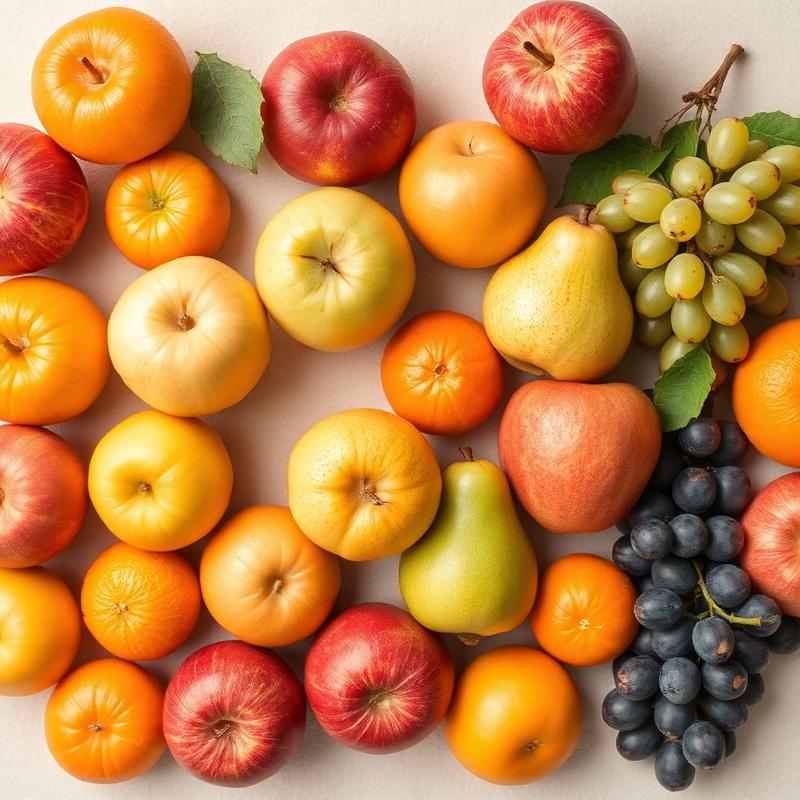
Whole fruits are recognized for their fiber content, very low to moderate energy density, and as important sources of healthy nutrients (e.g. potassium, vitamin C) and phytochemicals (e.g. polyphenols, carotenoids) that work synergistically.

Studies show that eating fruit whole gives you the most of this food group's potential benefits, like helping to prevent heart disease, stroke, and some types of cancer.

Whole Fruits and Fruit Fiber Emerging Health Effects
Green Tea

Green Tea

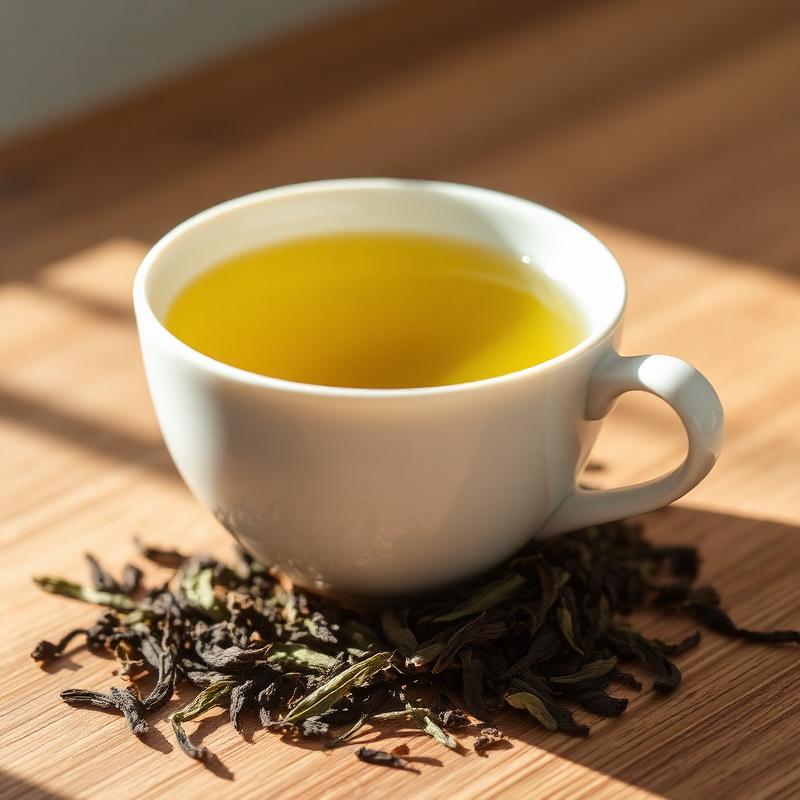
Green tea's health-promoting effects are mainly attributed to its polyphenol content — particularly flavanols and flavonols, which represent 30% of fresh leaf dry weight.

Green tea consumption has been linked to the prevention of many types of cancer and, along with black and Oolong teas, may reduce the risk of many chronic diseases.

Beneficial effects of green tea: A literature review
Herbs (Sage & Basil)

Herbs (Sage & Basil)

Herbs come from the leaves of plants — basil, sage, cilantro, parsley. Spices come from other parts of the plant: root, flower, fruit, seed, and bark.

Both have been used for centuries for flavor and medicinal value, and modern research continues to validate their wide-ranging health benefits.

10 of the healthiest herbs and spices and their health benefits
Egg Yolk

Egg Yolk

Both egg white and yolk are rich in proteins, vitamins, and minerals. The yolk contains fat-soluble vitamins (D and E) and essential fatty acids, while most of the protein is found in the white.

Eggs have been recognized as functional foods due to bioactive components that may help prevent chronic and infectious diseases — with antimicrobial, antioxidant, anti-cancer, and hypotensive properties.

The Golden Egg: Nutritional Value, Bioactivities, and Emerging Benefits for Human Health
Fatty Fish

Fatty Fish

Oily fish is rich in omega-3 polyunsaturated fatty acids, which reduce inflammation and may lower the risk of heart disease, cancer, and arthritis.

Fatty fish are the best sources of two of the three most important omega-3s (EPA and DHA), delivering significant benefits for heart, brain, lungs, and circulation.

11 Evidence-Based Health Benefits of Eating Fish
Steel-Cut Oats

Steel-Cut Oats

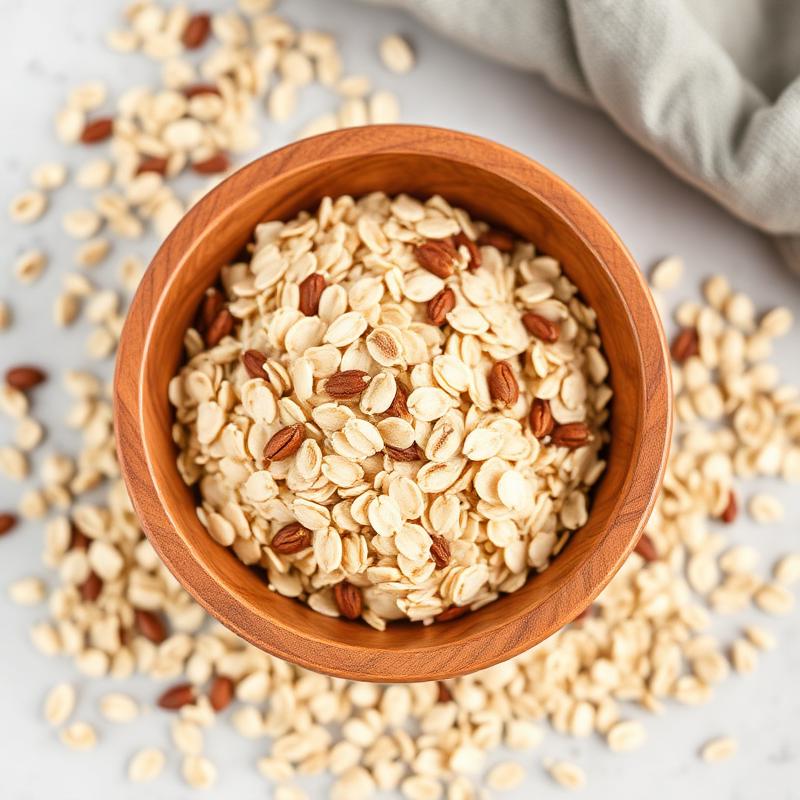
Oats are loaded with dietary fiber and have a range of cholesterol-lowering properties. Research published in the American Journal of Lifestyle Medicine found that whole-oat sources of soluble fiber may help reduce the risk of coronary heart disease.

"Consumption of oats and oat-based products significantly reduces total cholesterol and LDL cholesterol concentrations without adverse effects on HDL cholesterol or triglyceride concentrations."

Are oats good for you?
Mushrooms

Mushrooms

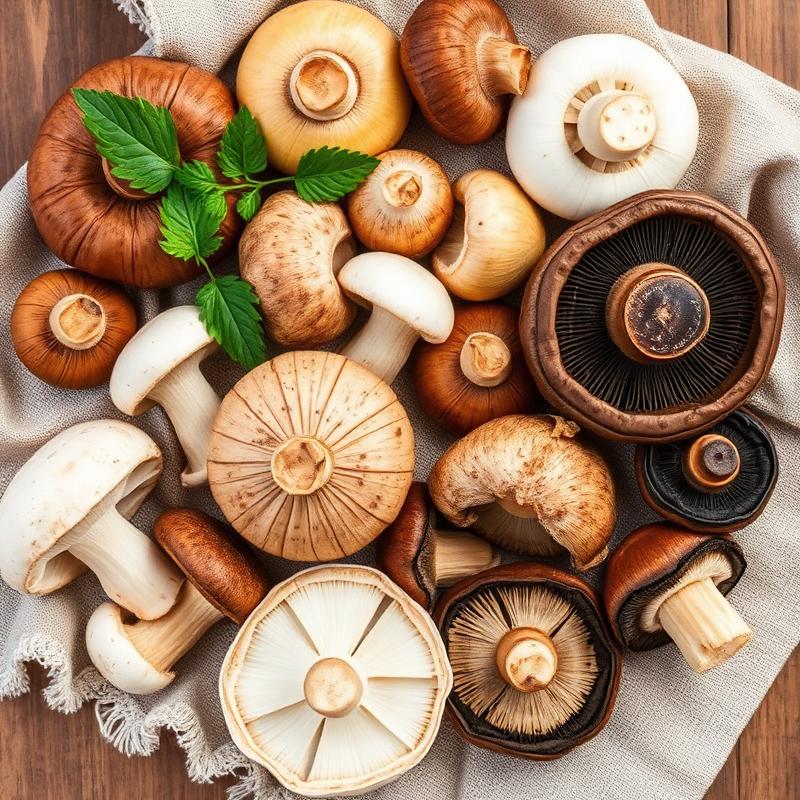
Mushrooms are a rich, low-calorie source of fiber, protein, and antioxidants. They may also help mitigate the risk of Alzheimer's, heart disease, cancer, and diabetes, and are an excellent source of selenium.

Studies show mushrooms possess various bioactivities — antioxidant, anti-inflammatory, anticancer, immunomodulatory, antimicrobial, hepatoprotective, and antidiabetic.

List of Mushroom Varieties from A to Z